Learn About Black Mold vs Wood Rot - What Homeowners Should Know
August 3, 2026
Mold Assessor License #: MRSA5546
Mold Remediator License #: MRSR5550
Biohazard / Biomedical Waste Generator Permit Number: 50-64-4000963
Biohazard / Biomedical Waste Transporter Permit Number: 50-64-4000958
Blog
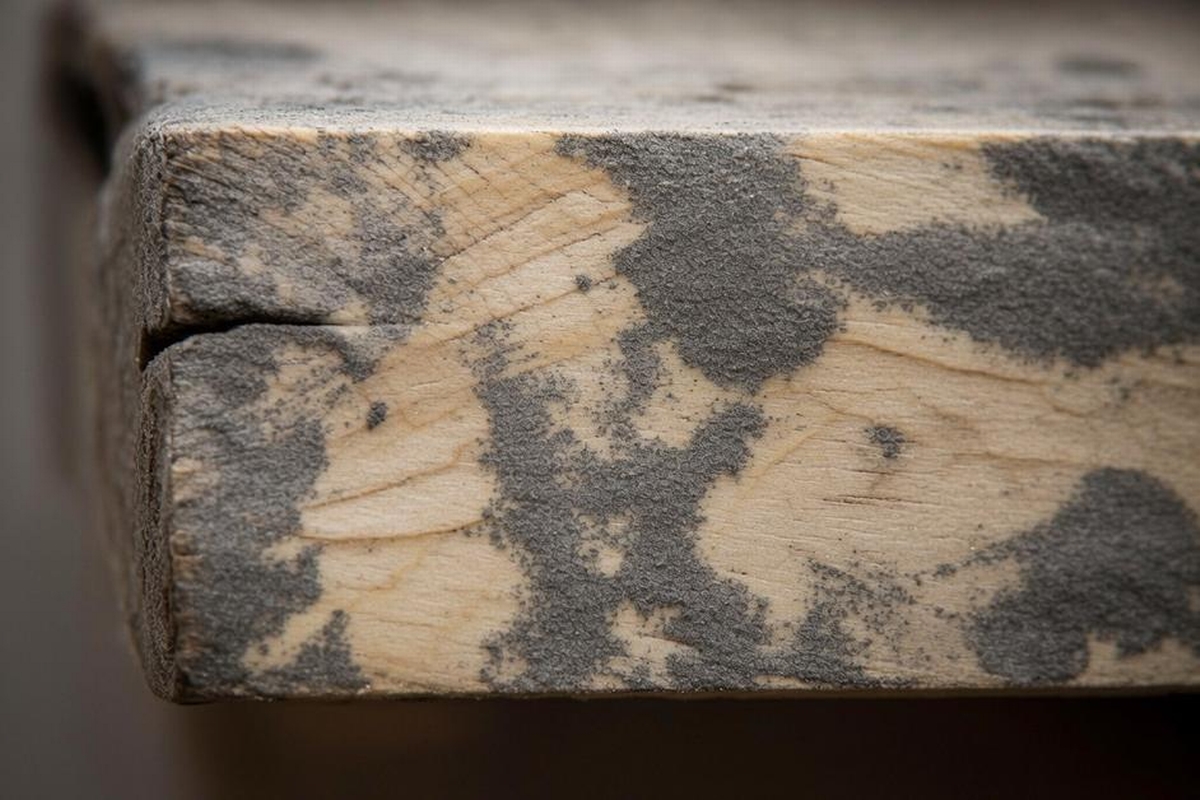
Every homeowner dreads the discovery of deterioration within their property. Two culprits that frequently cause havoc are black mold and wood rot. Both issues can lead to significant structural damage and health hazards if left unchecked. In this post, we will dive into the distinctions, causes, and preventive measures related to black mold vs wood rot, ensuring you are equipped to tackle these household problems. For residents seeking emergency restoration services in Boca Raton, understanding these issues is crucial.
Black mold and wood rot might appear similar at first glance, yet they are fundamentally different. While both lead to damage, the approach to their treatment varies. By exploring the symptoms, causes, and remedies for each, this blog aims to provide practical insights and solutions. Whether you're preparing for the worst or currently encountering these issues, this piece offers the necessary guidance.
Black mold, scientifically known as Stachybotrys chartarum, is a toxic fungus that thrives in moist environments. It typically appears as black or dark green patches and often emits a musty odor. Prolonged exposure can lead to health problems such as respiratory issues, skin irritation, and even neurological damage in severe cases. It's no surprise that mold remediation in Boca Raton and beyond is often sought after in humid climates like Florida.
This mold flourishes in areas where moisture is prevalent, such as bathrooms, basements, and kitchens. Leaking pipes, flooding, or poor ventilation are common culprits. Homeowners need to be vigilant in maintaining dry and well-ventilated spaces to prevent its growth.
Wood rot is a form of decay caused by fungi that consume the cellulose and lignin in wood, leading to its deterioration. It can manifest visibly as discolored or even crumbling wood. One of the telltale signs of wood rot is a soft, spongy texture, easily probed with a screwdriver. Unlike black mold, wood rot does not directly cause health issues but can compromise structural integrity if not addressed.
There are two main types: dry rot and wet rot. Despite the name, dry rot does require some moisture, usually around 20%, to thrive. Wet rot, on the other hand, occurs in areas with higher moisture content. Like black mold, prevention focuses on moisture control and prompt repair of leaks or poor sealing in vulnerable areas.
When exploring black mold vs wood rot, homeowners must assess their environment to determine which poses the greater threat. If your home is prone to humidity, both may be concerns, but your focus will depend on different factors, such as the material affected and the extent of the moisture problem.
Differences between black mold and wood rot originate from their biological makeup and implications. Black mold specifically targets moisture-rich areas, spreading spores that contribute to health issues. Wood rot, being a decay process, targets the structural components of a property, silently undermining its stability.
Source of Damage: Black mold damages property through moisture and poor air circulation. Conversely, wood rot results from prolonged exposure to moisture levels affecting structural wood.
Health Implications: Black mold carries health risks due to its toxic spores. Wood rot primarily poses safety risks by weakening the physical structure.
Detection: Black mold is often odor-based, with a musty scent being an indicator, while wood rot is identified by physical examination of compromised wood.
Preventing black mold and wood rot involves timely maintenance and effective moisture management. For black mold, it is key to control indoor humidity, repair leaks swiftly, and use mold-resistant products where applicable. Regular inspections by professionals can also help identify mold growth early.
To prevent wood rot, make sure any exposed wood is sealed and painted. Regular inspections, much like those for mold, can help catch the early signs of decay before they spread. Property owners might consider calling for water damage restoration to repair and assess any underlying issues.
In the event that black mold or wood rot has already set in, professional intervention is often necessary. Mold removal specialists can safely cleanse contaminated areas, ensuring the health and safety of residents. For wood rot, replacing damaged wood and addressing moisture sources is crucial. Do remember that water and structural damage often go hand in hand, illustrating the importance of timely restoration experts' involvement.
Homeowners should be particularly mindful of the signs and swiftly seek professional assistance if either black mold or wood rot becomes apparent. Specialists in the industry can diagnose the problem accurately, provide treatment solutions, and offer preventive advice. Emergency Restoration Sciences, serving Boca Raton, FL, excels in providing comprehensive solutions tailored to your restoration needs.
If you suspect any form of mold or wood rot, or if your property has suffered from flooding or extensive moisture exposure, professional assistance is advised. Beyond addressing the immediate issue, these services ensure the preservation of your home's integrity and your family's safety, offering peace of mind and preventative counsel against future incidents.
For those grappling with these challenges, reaching out to seasoned experts can be pivotal. Emergency Restoration Sciences is dedicated to supporting homeowners with tailored services to effectively resolve and prevent restoration issues. Don't wait until the damage becomes extensive; act today to protect your property and enhance your living environment.

August 1, 2026
July 17, 2026

July 15, 2026