Vinyl Siding Mold Problems and How to Clean Them Properly
October 17, 2026
Blog
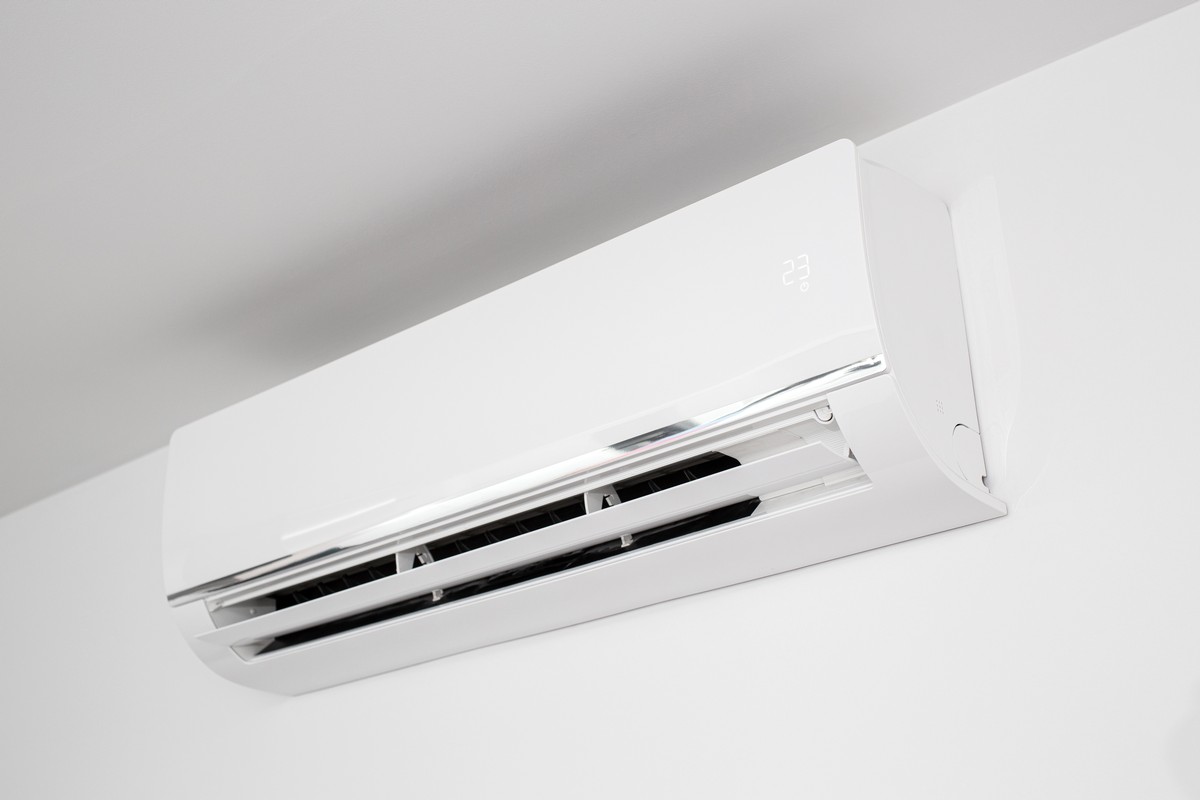
South Florida summers put your cooling system to the test, and if you live here, you already know that comfort is about more than temperature. When the air feels sticky even with the thermostat set low, many homeowners start to wonder: does an air conditioner dehumidify a home, or is it only lowering the temperature? It is a fair question, and the answer matters more than you might think, especially in a humid climate where moisture problems can quietly turn into costly damage. As a damage restoration company in Boca Raton, we see the consequences of unmanaged indoor humidity far too often.
The short version is that yes, your air conditioner does remove some moisture as a natural byproduct of cooling. But there is an important difference between an AC unit that happens to reduce humidity and a system that actually keeps your home dry enough to prevent mold, warping, and musty air. Understanding how this works can help you protect your home and your health.
Your air conditioner works by pulling warm indoor air across a cold evaporator coil. As that warm, humid air touches the cold surface, water vapor condenses into liquid, much like droplets forming on the outside of a cold glass on a hot day. That condensation collects in a drain pan and exits your home through the condensate line. So when people ask does an air conditioner dehumidify, the honest answer is that dehumidification is built into the cooling process itself.
The catch is that this moisture removal is a side effect, not the main goal. Your AC is designed first and foremost to hit a target temperature. Once the thermostat reads the number you set, the system shuts off, whether or not it has run long enough to pull out the humidity your home actually needs removed. That gap between cooling and true moisture control is where problems begin.
In Boca Raton and nearby communities, high outdoor humidity means the indoor air is constantly being replenished with moisture. A properly sized, well maintained system can keep relative humidity in a comfortable range, generally between 30 and 50 percent. But several situations cause an AC to cool without adequately drying the air.
An oversized unit is one of the most common culprits. A system that is too powerful cools the space quickly and shuts off before it has run long enough to condense meaningful amounts of water. The result is a home that feels cold and clammy at the same time. On milder days, when you want moisture removed but not much cooling, the AC may barely run at all, leaving humidity to creep upward.
Maintenance issues also reduce dehumidification. Dirty coils, clogged filters, low refrigerant, and blocked condensate lines all interfere with the system's ability to pull moisture from the air. And if you have leaks around windows, doors, or ductwork, humid outside air keeps sneaking in faster than your AC can handle it. So while the answer to does an air conditioner dehumidify is technically yes, real world conditions frequently prevent it from doing the job well.
Persistent indoor humidity is not just an uncomfortable nuisance. When moisture lingers in the 60 percent range or higher, it creates ideal conditions for mold growth, dust mites, and bacteria. You may notice a musty smell, condensation on windows, peeling paint, or wood floors and doors that begin to swell and stick. Over time, these signs point to moisture accumulating in places you cannot easily see, such as inside walls, behind cabinets, or under flooring.
Mold is the concern we hear about most. It can begin developing within 24 to 48 hours in the right conditions, and once it takes hold, it spreads through porous materials and can affect indoor air quality. If you suspect you already have a problem, professional mold remediation in Boca Raton and beyond addresses both the visible growth and the underlying moisture source that allowed it to flourish. Treating the mold without fixing the humidity almost always leads to a return visit from the same problem.
The good news is that a few practical habits go a long way toward keeping your home dry, even in a climate as demanding as ours. Rather than relying on the thermostat alone, pay attention to what the air actually feels like and consider measuring it directly.
If your system runs constantly but the air still feels damp, it may be oversized or in need of service. A dedicated dehumidifier paired with your AC is often the most effective solution because it removes moisture independently of the cooling cycle. That means you get dry air even when the temperature is already comfortable.
Sometimes humidity is a symptom of a larger issue, such as a hidden leak, a burst pipe, or storm related intrusion. High moisture readings that will not come down despite a working AC can indicate water is entering your home from somewhere you have not spotted yet. In those cases, the fix is not just better dehumidification but locating and stopping the water at its source.
This is where professional help makes a difference. Our team provides water damage restoration in Boca Raton that includes moisture detection, structural drying, and repairs designed to prevent long term problems like mold and rot. We use commercial grade equipment to dry materials thoroughly, not just on the surface, because moisture trapped inside walls and subfloors is what causes damage to resurface weeks or months later. If you are unsure whether your humidity problem has crossed into water damage territory, it is always safer to have it evaluated.
So, does an air conditioner dehumidify your home? It does, but treating it as a complete humidity solution is a mistake, especially in South Florida. Cooling and drying are related, yet a system focused on temperature can easily leave enough moisture behind to invite mold, discomfort, and gradual deterioration. By monitoring humidity, keeping your equipment maintained, and addressing leaks quickly, you give your home the best defense against moisture.
When you notice persistent dampness, musty odors, or visible water where it does not belong, do not wait for the problem to grow. Reach out to our team in Boca Raton and the surrounding areas, and we will help you identify the source, dry things out properly, and keep your home healthy. Feel free to contact us anytime for guidance or emergency support.
October 17, 2026

October 15, 2026
October 3, 2026
October 1, 2026