Vinyl Siding Mold Problems and How to Clean Them Properly
October 17, 2026
Blog
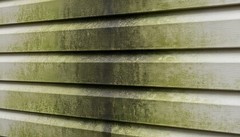
Those green or black streaks creeping across the sunny side of your home are more than a cosmetic nuisance. In a humid climate like ours, mold on vinyl siding is an incredibly common problem, and it tends to spread faster than most homeowners expect. As a damage restoration company in Boca Raton and itds surrounding cities, we see the same scenario play out year after year: a little discoloration gets ignored, and before long an entire wall looks dingy and stained.
The good news is that vinyl siding is one of the easier surfaces to clean when you understand what you are dealing with. The trick is knowing what causes the growth, how to remove it without damaging the siding or the plants beneath it, and when a stubborn problem signals something bigger happening behind the wall. Let's walk through all of it.
Mold needs three things to thrive: moisture, a food source, and shaded warmth. Our part of Florida delivers the first and third in abundance. High humidity, frequent afternoon storms, and heavy morning dew keep exterior surfaces damp for hours at a time. North and east facing walls, shaded spots under trees, and areas near sprinkler overspray rarely get enough direct sun to dry out fully, which is exactly where mold on vinyl siding takes hold first.
Vinyl itself is not food for mold, but it does not need to be. Pollen, dust, dirt, tree sap, and the thin organic film that settles on any outdoor surface give mold and mildew everything they need to grow. That is why the problem often looks worse near landscaping, along the bottom rows of siding, and anywhere water tends to pool or drip. Understanding this helps explain why simply rinsing the siding is not usually enough to keep it from coming back.
Homeowners often use these terms interchangeably, but the differences matter when you are deciding how to clean. Mildew typically appears as a flat, powdery growth that ranges from gray to black. True mold tends to look fuzzy or slimy and can carry green, black, or even orange tones. Algae usually shows up as those long green or reddish streaks running down the siding, often fed by runoff from a roof above.
For cleaning purposes, the approach to all three is similar, so you do not need to diagnose the exact species before you start. What matters more is the extent of the growth and whether it keeps returning. Surface growth on the exterior is a maintenance issue. Recurring patches in the same spot, especially near windows, seams, or the foundation, can hint at trapped moisture behind the siding, which is a different and more serious concern.
With the right preparation, most homeowners can tackle light to moderate growth themselves. Start on a cool, overcast day if possible, since cleaning solutions dry too quickly in direct sun and can leave streaks. Protect the plants and grass below by wetting them thoroughly with plain water first and covering anything delicate, because cleaning runoff is harsh on landscaping.
A gentle, effective cleaning solution can be made with a few common ingredients, and working from the bottom up before rinsing from the top down prevents streaking. Here is a simple sequence that works well on most vinyl:
One word of caution on pressure washers. While tempting, high pressure can force water up behind the siding panels, where it has no easy way to escape. That trapped moisture becomes the perfect breeding ground for the very mold you are trying to remove, and it can also lead to hidden problems inside your walls. If you use a pressure washer at all, keep it on a low setting and aim slightly downward rather than straight on or upward.
Sometimes the stains on the outside are only the visible half of the story. If mold on vinyl siding keeps coming back in the same places no matter how carefully you clean, or if you notice soft spots, warped panels, a musty smell indoors, or staining on interior walls near the problem area, moisture may be getting trapped behind the siding. That often points to issues with flashing, caulking, gutters, or the house wrap underneath.
In those cases, surface cleaning only treats the symptom. Trapped moisture can lead to growth on the sheathing and framing, which eventually makes its way indoors. This is where professional help becomes important, both to find the moisture source and to address any growth that has spread beyond the siding. Our team handles mold remediation in Boca Raton and its nearby areas and can assess whether what looks like a cosmetic issue is actually a sign of a deeper moisture problem.
Because so many of these problems trace back to water intrusion, it also pays to keep an eye on your home's overall moisture control. Clogged gutters, poorly aimed sprinklers, and leaks around windows all contribute. If you have dealt with any recent leaks or storm-related intrusion, our guide on water damage restoration in Boca Raton is a helpful place to understand how trapped moisture is identified and dried out properly.
Prevention comes down to limiting the moisture and organic buildup that mold depends on. Trimming back trees and shrubs so sunlight and air can reach shaded walls makes a noticeable difference, as does keeping sprinkler heads adjusted so they are not spraying the house directly. Cleaning gutters regularly stops the roof runoff that feeds those long green streaks, and a quick rinse of the siding a couple of times a year keeps pollen and dust from building into a food source.
For homes that battle recurring growth, an annual cleaning schedule is usually enough to stay ahead of it. Pay special attention after our wet season, when weeks of humidity and rain give mold the longest head start. A little routine attention goes a long way toward avoiding the heavier cleaning and bigger repairs that come from neglect.
At the end of the day, a few streaks of mold on vinyl siding are a manageable maintenance task, and most homeowners can handle light cleaning with simple tools and a gentle solution. The key is acting early, cleaning the right way, and staying alert to the warning signs that point to trapped moisture rather than a surface stain.
If the growth keeps returning, spreads to interior walls, or comes paired with a persistent musty odor, that is your cue to bring in professionals. Our team serves Boca Raton and the surrounding areas, and we are glad to inspect the problem and recommend the right fix. Reach out anytime through our contact page for help you can count on.
October 17, 2026

October 15, 2026

October 3, 2026
October 1, 2026