Vinyl Siding Mold Problems and How to Clean Them Properly
October 17, 2026
Blog
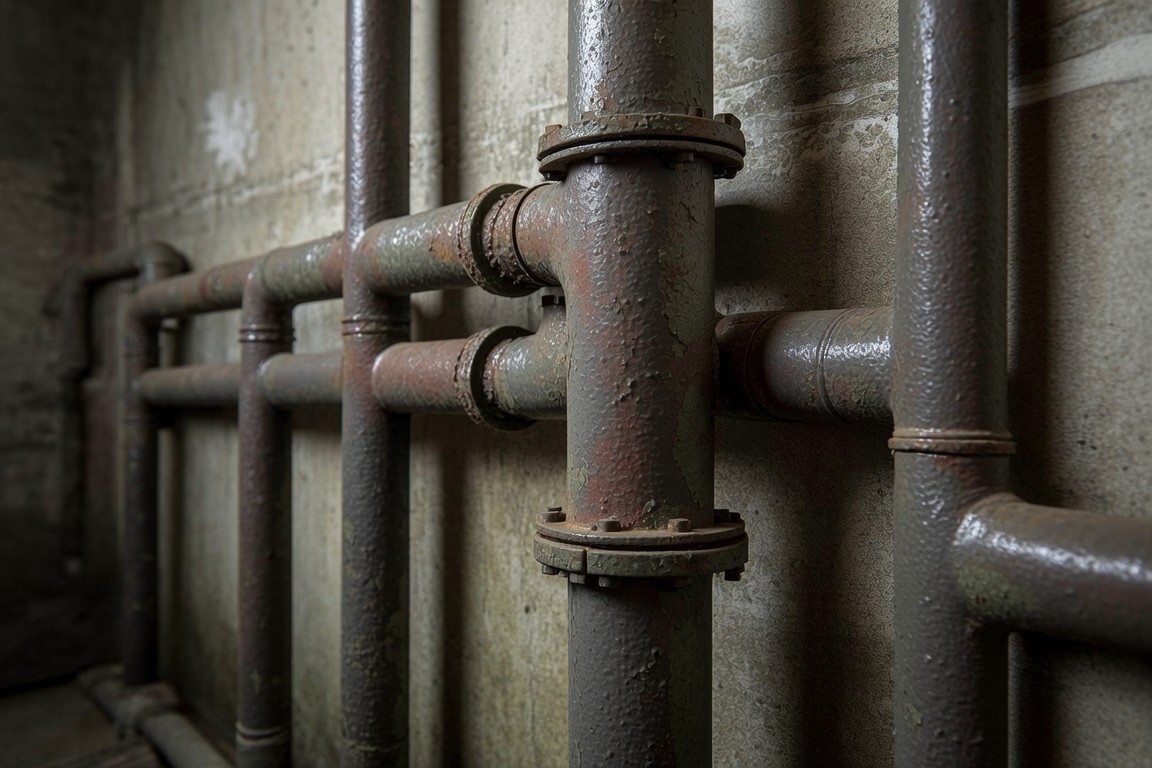
If your faucets leave chalky white spots, your soap never seems to lather, and your water pressure has quietly dropped over the years, you are probably dealing with hard water. It is one of the most common water issues homeowners face, yet it works so slowly that most people never connect it to the bigger problems developing behind their walls. As a damage restoration company in Boca Raton and its nearby cities, we are often asked the same underlying question after a plumbing failure: can hard water damage pipes over the long run, or is it just a nuisance?
The short answer is yes, but the way it happens is more gradual and more preventable than most people realize. Understanding how hard water affects your plumbing can help you avoid the kind of slow leaks and sudden bursts that lead to serious water damage inside a home.
Hard water is simply water that carries a high concentration of dissolved minerals, mainly calcium and magnesium. These minerals are picked up as water travels through rock and soil before it ever reaches your home. There is nothing dangerous about drinking it, and in Florida it is extremely common due to the limestone that underlies much of the region.
The trouble begins once that mineral-rich water starts moving through your pipes, water heater, and fixtures day after day. Every time water flows and then sits, tiny amounts of mineral deposit cling to the interior surfaces. Over months and years, those deposits accumulate into a hardened layer known as scale. That buildup is the root of nearly every hard water plumbing problem homeowners eventually encounter.
This is where the honest answer matters. When people ask us whether hard water can damage pipes, they are usually picturing a pipe suddenly rusting through. What actually happens is slower and sneakier. Scale builds up on the inside walls of your pipes, gradually narrowing the diameter that water can flow through. Think of it like plaque hardening inside an artery. The passage shrinks, pressure builds, and the whole system has to work harder.
So can hard water damage pipes directly? In many cases the mineral scale itself is not corrosive, but it creates the conditions for damage. Narrowed pipes raise internal water pressure, which stresses joints, seals, and fittings. Scale also traps heat inside water heaters, forcing them to run hotter and wear out faster. On certain metals, mineral deposits can accelerate corrosion where scale and pipe meet. The combination of restricted flow, elevated pressure, and localized corrosion is what eventually leads to leaks and, in worst cases, a burst pipe.
The type of plumbing you have matters too. Older galvanized steel pipes are especially vulnerable because scale and rust compound one another. Copper handles hard water reasonably well but still suffers reduced flow. Modern PEX and plastic lines resist scale far better, though the fixtures and water heater they connect to are still exposed.
Because the damage is gradual, the early clues are easy to dismiss. Paying attention to them can save you from a much larger repair down the road. A few of the most telling signs include:
Any one of these on its own may seem minor. Together, they point to mineral buildup quietly reshaping the inside of your plumbing. If you notice several at once, it is worth having your water and your pipes evaluated before a small restriction turns into a leak.
The reason a restoration team cares so much about hard water is what happens at the end of that slow process. A pipe joint that has been under elevated pressure for years can finally give way. A corroded fitting behind a wall can begin to seep. A water heater weakened by heavy scale can rupture. When any of these happen, the water does not politely stay in one place. It spreads into flooring, drywall, cabinetry, and insulation, often before anyone notices.
That is when a hard water issue becomes a genuine emergency. Hidden leaks are especially damaging because moisture lingers inside walls and under floors where it feeds mold growth. In our humid climate, that risk is even higher, which is why mold remediation in Boca Raton, FL so often follows a plumbing failure that traces back to long-term buildup. Catching and drying the moisture quickly is the difference between a minor repair and a major restoration project. Our water damage restoration in Boca Raton responds around the clock when a pipe finally fails, but the ideal outcome is preventing the failure in the first place.
The good news is that hard water damage is one of the more manageable threats to your plumbing. The most effective long-term solution is a whole-home water softener, which removes the calcium and magnesium before they ever reach your pipes. By treating the water at its point of entry, a softener stops new scale from forming and protects everything downstream, from your fixtures to your water heater.
Beyond softening, routine maintenance goes a long way. Flushing your water heater periodically clears out sediment before it hardens. Cleaning aerators and showerheads restores flow and lets you spot buildup early. Having a plumber inspect older galvanized or metal piping can reveal restrictions before they cause a leak. If you know your home has hard water and aging pipes, being proactive is far cheaper than repairing water damage after the fact.
It also helps to simply stay alert. Homeowners who understand what to look for tend to catch problems while they are still small. A slow drop in pressure or a new crust of mineral deposit is your plumbing telling you something. Listening to those signals early keeps a manageable maintenance task from becoming a call for emergency help.
So, returning to the original question, can hard water damage pipes in your home? Over enough time, yes. It rarely destroys plumbing overnight, but the steady accumulation of mineral scale narrows pipes, strains fittings, shortens the life of water heaters, and sets the stage for leaks that can flood a home. In a region where hard water is common, that slow process is something every homeowner should have on their radar.
The most reassuring part is how much control you have. Softening your water, maintaining your fixtures, and responding to early warning signs can keep your plumbing healthy for decades. And if a pipe does fail despite your best efforts, quick action limits the damage dramatically. We proudly serve Boca Raton and the surrounding communities, so if you discover a leak or water intrusion, do not wait for it to spread. Contact our team any time, day or night, and we will help you get your home dry and back to normal.
October 17, 2026

October 15, 2026
October 3, 2026
October 1, 2026