Vinyl Siding Mold Problems and How to Clean Them Properly
October 17, 2026
Blog
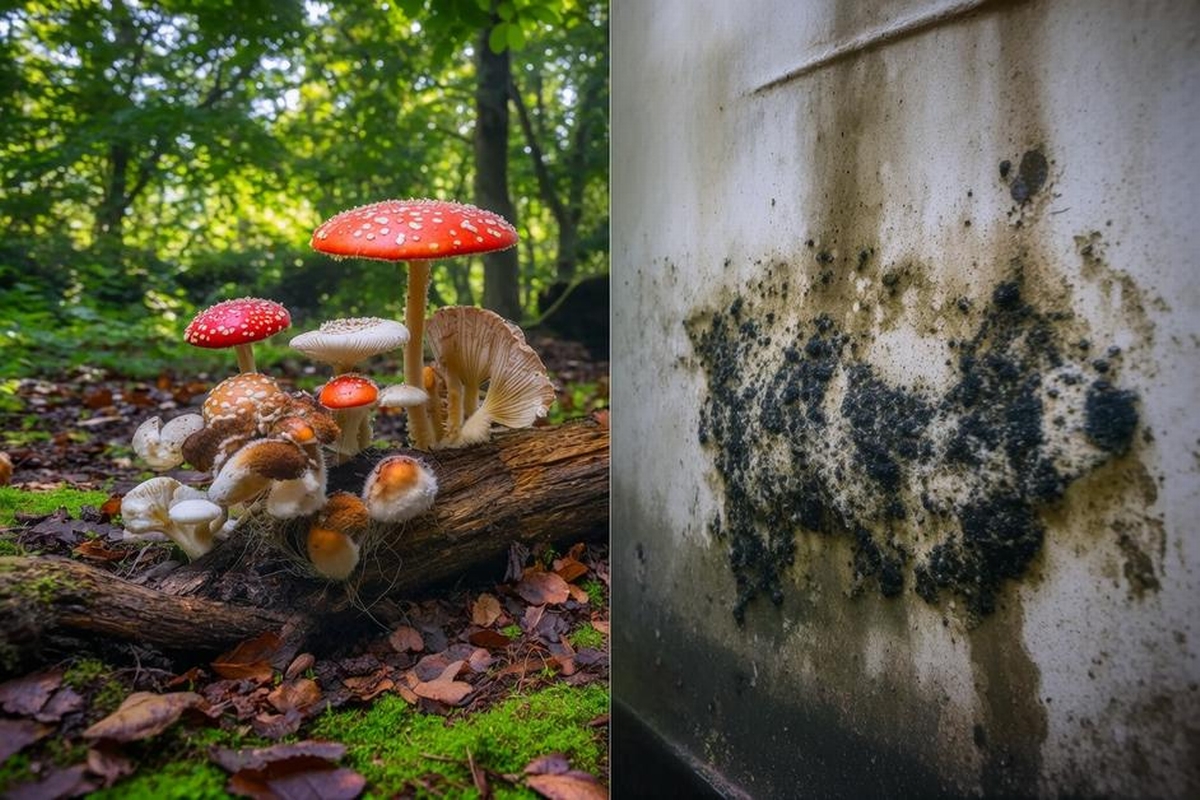
Understanding the "fungus and mold difference" is crucial for homeowners, business owners, and professionals in the restoration industry. Fungus and mold, while often mentioned in the same breath, are not synonymous, and a clear understanding of their distinctions and classifications is essential. For restoration contractors in Boca Raton differentiating between these two organisms can mean the difference between success and failure in addressing an infestation. This blog post will guide you through the basics of fungus and mold, demonstrate their differences, and explain their classification in a way that aligns with the needs of restoration professionals and the concerns of property owners.
Mold in homes and businesses poses health risks and can cause significant structural damage. Understanding the "fungus and mold difference" can help mitigate these risks by determining the appropriate treatment and prevention methods. We will explore how molds fit into the broader category of fungi, discuss common types found in living environments, and introduce methods for detection and removal. Understanding these elements is critical in achieving optimal indoor air quality and ensuring a safe environment.
Fungi are a diverse group of organisms that play critical roles in various ecosystems around the world. Unlike plants, fungi do not perform photosynthesis. Instead, they feed on organic matter, which classifies them as heterotrophs. As part of this kingdom, molds, mushrooms, and yeasts are all examples of fungi, showcasing the diversity and adaptability of these organisms. It's insightful to understand that while all molds are fungi, not all fungi are molds.
The distinction between fungus and mold rests primarily on differences in their structure and function. Fungi can be multicellular or unicellular, whereas molds typically exist as multicellular filamentous colonies. This characteristic helps identify mold infestations quickly, as they generally present themselves as fuzzy patches on surfaces. Fungi, as a category, have a broader diversification, including more complex organisms like mushrooms, which are visible to the naked eye.
Mold is perhaps the most recognized subgroup of fungi, often coming to mind when we think of household pests or damaged property. Molds reproduce via tiny spores that float through the air until they find a suitable place to land, usually a damp or humid environment, to grow and thrive. This makes Boca Raton, FL, especially susceptible, given its humid climate. Molds can exist both indoors and outdoors, with many species being airborne.
The presence of mold in a property can lead to various health concerns, including respiratory issues and allergic reactions. For homeowners and businesses in the area, recognizing the signs of mold growth, such as a musty smell or visible discoloration on walls and ceilings, is crucial for timely intervention. This is where Emergency Restoration Sciences can provide essential services like mold remediation, effectively addressing and preventing further mold-related issues.
Understanding the classification of fungi, including mold, allows for better diagnosis and selection of proper remediation techniques. Fungi are generally categorized based on their reproductive structures and methods. Molds are classified within the phylum Ascomycota or Zygomycota, among others. These classifications are based on the structure of their spores and fruiting bodies, a necessary distinction for those involved in the restoration industry to tailor their approach for each specific situation.
Understanding the "fungus and mold difference" is critical for several reasons beyond the biological and ecological aspects. For restoration professionals, identifying the type of mold or fungus is a crucial step in formulating effective removal strategies. Each type of mold may require a specific method for remediation, making it important for restoration contractors in Boca Raton to not only identify the mold quickly but also implement the right solutions effectively, reducing health risks and minimizing property damage.
For instance, in water damage scenarios, quick identification can help determine whether standard drying techniques must be supplemented with mold-specific interventions. Such a timely response can mitigate long-term damage and reduce potential health hazards. Mold remediation in Boca Raton and nearby communities often involves advanced techniques to ensure complete and thorough cleaning, reflecting the expertise available at Emergency Restoration Sciences.
In the mold remediation process, it’s vital to consider not just the removal, but the prevention of future outbreaks. Proper identification leads to tailored solutions such as thermal fogging, HEPA vacuuming, and air scrubbing to remove spores from the air. Controlling moisture levels is a preventive measure that is particularly effective in humid climates like Boca Raton.
Regular inspections and maintenance play a significant part in mold prevention. Restoration professionals can provide detailed assessments and advice on how to reduce conducive conditions for mold growth in both residential and commercial properties. Proactive measures may include improving ventilation, using dehumidifiers, and sealing leaks - simple yet critical steps in maintaining a mold-free environment.
Understanding the intricacies of the difference between fungi and molds is not only a matter of scientific curiosity but also an essential piece of knowledge for anyone involved in property maintenance or restoration. Differentiating between various types of fungi guides effective remediation strategies, directly impacting health and safety standards.
For residents and businesses in Boca Raton and surrounding areas, leveraging experts such as Emergency Restoration Sciences can make all the difference in addressing and preventing mold-related challenges. With expertise in mold remediation, water damage restoration, and more, reaching out to Emergency Restoration Sciences ensures your property is in expert hands. With the right knowledge and resources, maintaining a healthy, mold-free environment is within reach.
October 17, 2026
October 15, 2026

October 3, 2026
October 1, 2026