Vinyl Siding Mold Problems and How to Clean Them Properly
October 17, 2026
Blog
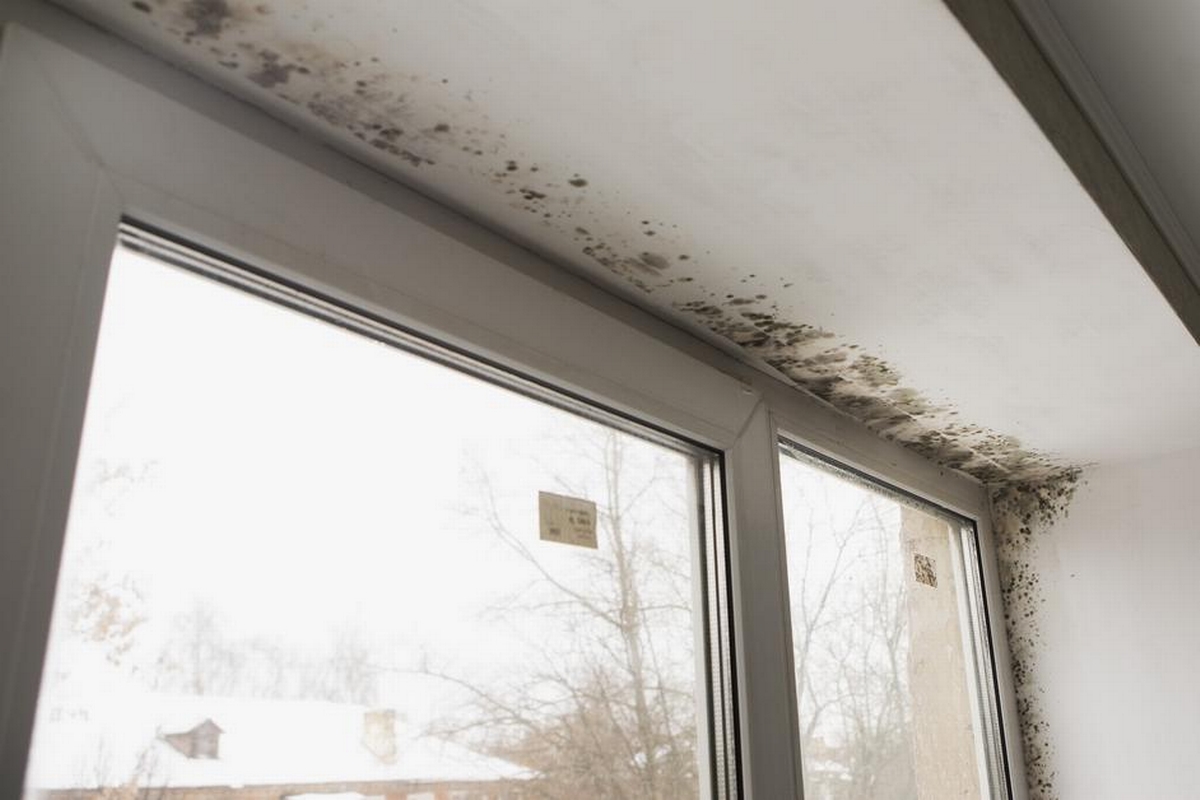
Mold doesn't just pop up without reason; it thrives in specific conditions, making its presence on your ceiling a likely indicator of moisture problems. This is where damage restoration services in Boca Raton, FL come into play, offering solutions to not only clear the mold but also address the root of the problem.
When mold attacks your ceiling, it’s essential to act quickly. Mold not only compromises the visual appeal of your home but also poses health risks, especially for those with respiratory issues or allergies. This blog will delve into the causes of mold spots on the ceiling, offer practical advice on addressing the problem, and show how services like mold remediation can help eliminate mold and prevent its return.
Understanding what causes mold spots on the ceiling is the first step in tackling the problem. Here are some frequent culprits:
When it rains, water finds ways into your home through leaks in your roof. This is one of the most common causes of mold growth on ceilings. Even minor leaks allow moisture to seep into ceiling spaces, setting the stage for mold proliferation.
Inadequately ventilated spaces, like bathrooms or kitchens, create a damp environment favorable to mold growth. Without proper ventilation, moisture from steam and cooking cannot escape, leading to mold spots over time.
A hidden leak in your plumbing could be saturating your ceiling, unbeknownst to you until mold starts to show. Burst pipes, often associated with sudden changes in temperature or poor maintenance, can create water damage that eventually leads to mold.
Living in a high-humidity area, such as Boca Raton, FL, means your home is naturally more prone to mold. When indoor humidity levels exceed 60%, your ceiling becomes a potential breeding ground for mold.
Mold spots on the ceiling might be easy to dismiss without realizing their potential danger. Initially, they might resemble dark stains or spots, gradually expanding across the ceiling’s surface. Often accompanied by a musty odor, these spots should never be ignored.
As soon as you notice mold spots on the ceiling, take these steps to mitigate damage:
Professionals not only eradicate existing mold but also identify and address the source to prevent recurrence. This could involve specialized equipment, such as air scrubbers and dehumidifiers, to treat the environment properly and restore air quality.
Once you’ve dealt with existing mold spots on the ceiling, the focus should shift to prevention. Here’s how you can keep mold at bay:
At any sign of potential mold issues, seeking the help of a professional service for mold remediation in Boca Raton and its nearby communities is crucial. Consulting experts ensures the problem is comprehensively addressed, and your home remains mold-free.
Taking action at the first sign of mold spots on the ceiling can save you money and health complications in the long run. Addressing water leaks or ventilation issues promptly not only prevents further mold growth but also preserves the integrity of your home structure.
Emergency Restoration Sciences specializes in providing comprehensive mold remediation and water damage restoration services. With expertise in identifying the underlying causes of mold growth, the team ensures complete removal and lasting solutions to protect your home environment.
Secure your home’s health and appearance by employing professional restoration services that tackle both immediate and preventive mold issues. For effective mold remediation in Boca Raton, don’t hesitate to reach out to Emergency Restoration Sciences today. Let’s work together to keep your ceilings—and your home—beautiful and safe.
October 17, 2026

October 15, 2026

October 3, 2026
October 1, 2026