Vinyl Siding Mold Problems and How to Clean Them Properly
October 17, 2026
Blog
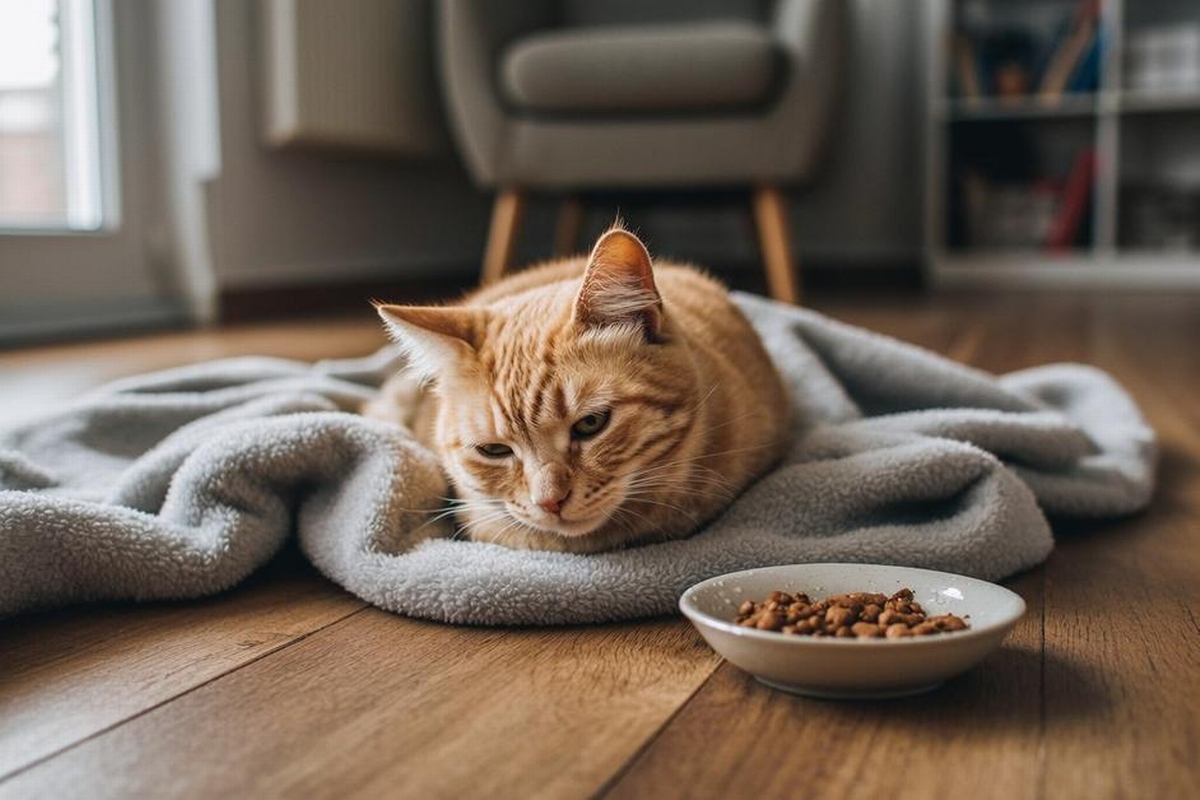
Cats, known for their graceful and independent nature, are often seen lounging around our homes, which can inadvertently expose them to various indoor hazards. One such hidden threat is mold toxicity in cats. Mold spores, often lurking silently in our environment, can become a cause of health issues for these beloved pets. This is especially concerning in areas with high humidity, like Boca Raton, FL. Homeowners here often seek the expertise of a damage restoration company in Boca Raton to address such risks. It's crucial for pet owners to understand how mold exposure can impact their feline companions and what steps to take to prevent and manage this issue.
Mold toxicity in cats is a serious condition that results from the inhalation or direct contact with mold spores. When a home is infested with mold, cats, due to their smaller size and proximity to the ground, are more susceptible to health complications like respiratory issues, skin irritation, and even systemic toxicity. This blog will delve into how indoor environments contribute to mold exposure, the symptoms of mold toxicity in cats, and practical solutions to protect our furry friends.
Indoor mold growth is often triggered by excessive moisture in areas such as basements, bathrooms, and kitchens. In Boca Raton, FL, the subtropical climate further exacerbates this issue, making regular home inspections crucial. Mold remediation becomes a necessary step to ensure a safe environment not just for humans, but also for pets. Common indoor molds include Aspergillus, Cladosporium, and Stachybotrys, which are notorious for their potential health impacts on both humans and animals.
Cats, due to their grooming habits and curious nature, have increased exposure to these spores. They may come into contact with mold through inhalation, skin contact, or ingestion during grooming. The symptoms of mold toxicity can range from mild to severe, depending on the degree of exposure and the cat's health.
Recognizing the signs of mold toxicity in cats is crucial for early intervention. Symptoms might include:
If you notice any of these symptoms in your cat, it's imperative to consult a veterinarian for a proper diagnosis and treatment plan. Leaving mold exposure unchecked can lead to chronic health issues or worsen pre-existing conditions in cats.
Preventing mold growth is a proactive approach to safeguarding the health of all household members, including pets. It involves regular home maintenance and addressing minor repairs promptly. Here are some key prevention strategies:
By implementing these strategies, you can significantly reduce the risk of mold, thus protecting your pets from potential exposure.
If your cat shows signs of mold toxicity, immediate veterinary care is essential. The vet may prescribe antihistamines or anti-fungal medications to manage symptoms and treat infections caused by mold exposure. Meanwhile, you can aid recovery by ensuring your home environment is mold-free.
Cleaning your home with appropriate mold removal products and improving air circulation are crucial steps. Engaging professional services for water damage restoration in Boca Raton can also effectively eliminate hidden mold, providing a safer environment for your cat and family.
Aside from physical health, mold exposure can affect a cat's emotional and behavioral state. Cats may become more withdrawn, anxious, or exhibit unusual behaviors if they are uncomfortable due to mold-related issues. This underscores the need for a mold-free living space that promotes well-being and a stress-free environment for pets.
Protecting your furry friends from mold toxicity shouldn't be overlooked. Mold remediation is vital not only for human health but also for the well-being of our pets. In areas with high humidity and dampness, such as Boca Raton, FL, scheduling regular inspections with Emergency Restoration Sciences is an excellent way to ensure your home remains a safe haven for everyone. Their expertise in handling mold and a range of services, including storm damage restoration in nearby communities, ensures comprehensive protection against various environmental hazards. Contacting us and taking these preventive steps today can save you and your pets from the distress and health issues associated with mold toxicity in cats tomorrow.

October 17, 2026

October 15, 2026

October 3, 2026

October 1, 2026