Vinyl Siding Mold Problems and How to Clean Them Properly
October 17, 2026
Blog
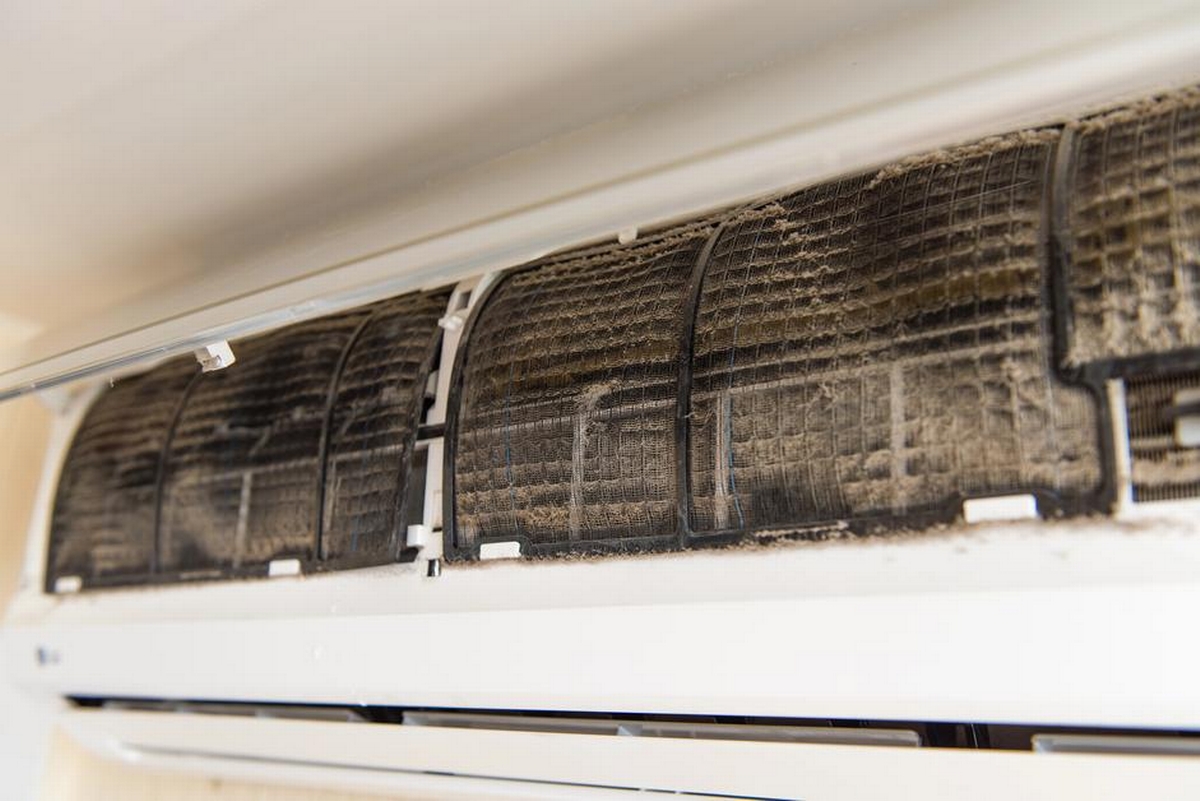
The discovery of mold around air vents can swiftly turn from minor inconvenience to a significant household issue. Mold not only signals potential damage lurking within your walls but also poses health risks. Understanding what causes this unseen menace is crucial for homeowners trying to maintain a healthy living environment. At Emergency Restoration Sciences, we offer emergency restoration services in Boca Raton to help address these issues effectively. Knowing the signs of hidden moisture can help you act proactively to prevent mold, protecting your home and health.
Mold thrives in places with excess moisture and a lack of ventilation. It's pertinent to identify the warning signals of concealed dampness, as these could indicate more significant problems such as water leaks or poor HVAC maintenance. Addressing these early signs is beneficial not only for preventing damage to your property but also for safeguarding the health of those residing in your home. This post outlines five indicators of hidden moisture, potentially leading to mold around air vents, and offers insights into measures you can take to alleviate the problem.
A prevailing musty odor is often the first hint of mold around air vents, indicating hidden dampness. This distinct scent results from microbial volatile organic compounds (MVOCs) released by mold. If you notice a continuous earthy or musty smell, it is crucial to investigate its source as it could indicate moisture issues within your HVAC system or adjacent areas in your home.
When these odors persist after cleaning and ventilation, it might suggest mold is developing in out-of-sight places. Neglecting this problem allows mold colonies to grow, compounding the issue and increasing the difficulty of remediation. Being proactive by seeking professional inspection can help detect hidden water leaks or condensation problems before they intensify.
Often, an indoor mold problem manifests through allergy-like symptoms among household members. If anyone in your home starts experiencing itchy eyes, sneezing, runny nose, or respiratory issues unwarranted by external allergies or existing health conditions, it could be due to indoor mold spores. It's a pervasive sign of mold around air vents and indicates the possible presence of concealed dampness within your HVAC system.
These symptoms arise when mold spores enter the respiratory system, triggering allergic reactions or exacerbating asthma in sensitive individuals. Homeowners can pursue investigations into their HVAC systems, including ductwork inspections, to locate hidden mold sources and tackle any moisture-related culprits.
Condensation visibly forms on and around air vents, particularly when temperature differences between indoor and outdoor air are significant. This can indicate improper insulation or HVAC system functioning, leading to excess moisture, which in turn fosters mold growth around air vents.
If condensation becomes a frequent issue, it suggests a need for HVAC system checks to confirm settings and operations that can manage humidity levels effectively. Periodical maintenance helps ensure the system works correctly, preventing moisture build-up and subsequent mold proliferation.
Another subtle sign of moisture issues is peeling paint or wallpaper in areas surrounding air vents. Moisture accumulation and fluctuating temperatures can cause surfaces to expand and contract, leading to cracking or peeling finishes. These small indications of possible moisture trouble should prompt an immediate investigation.
Ignoring such damage only encourages further deterioration and potential mold growth. Moisture intrusion in walls or ceilings, even subtly, creates perfect breeding grounds for mold colonies. Homeowners must address both the aesthetic and underlying problems to curb mold development effectively.
The presence of dark spots or strange marks around air vents is a clear warning that mold might be present. These can appear as small clusters or larger stains and are often a direct result of trapped moisture facilitating mold reproduction.
Be vigilant with inspections for these signs. Don't hesitate to involve professionals at Emergency Restoration Sciences to evaluate the situation. By employing comprehensive mold remediation strategies, we aid in eliminating mold presence and mitigating future risks. We provide effective water damage restoration services to address underlying issues and restore the integrity of your home.
Identifying and addressing the signs of mold around air vents is essential to maintaining a healthy living environment. Regular HVAC maintenance, adequate insulation, and sufficient ventilation play crucial roles in preventing hidden moisture from precipitating mold problems. Engaging professionals for regular inspections, such as those offered by Emergency Restoration Sciences, ensures any early warning signs are handled before escalating into extensive damage.
Being attentive to the indicators of mold not only preserves property value but also enhances living conditions, shielding residents from adverse health consequences. Routine checks and timely intervention can save homeowners from enduring costly and intrusive restoration processes. Our expert team is always ready to assist with water damage and mold remediation in Boca Raton, extending peace of mind to our clients.
Whenever hidden moisture issues surface, consider professional emergency restoration services to guide you through a successful resolution. Emergency Restoration Sciences offers comprehensive assistance to help you uphold the comfort and safety of your home. Prioritizing these preventive strategies equips you to act decisively and maintain a mold-free environment, securing the well-being of your loved ones. Contact us today!
October 17, 2026

October 15, 2026
October 3, 2026
October 1, 2026